The Essential Guide to Needle Driver Scissors in Surgery
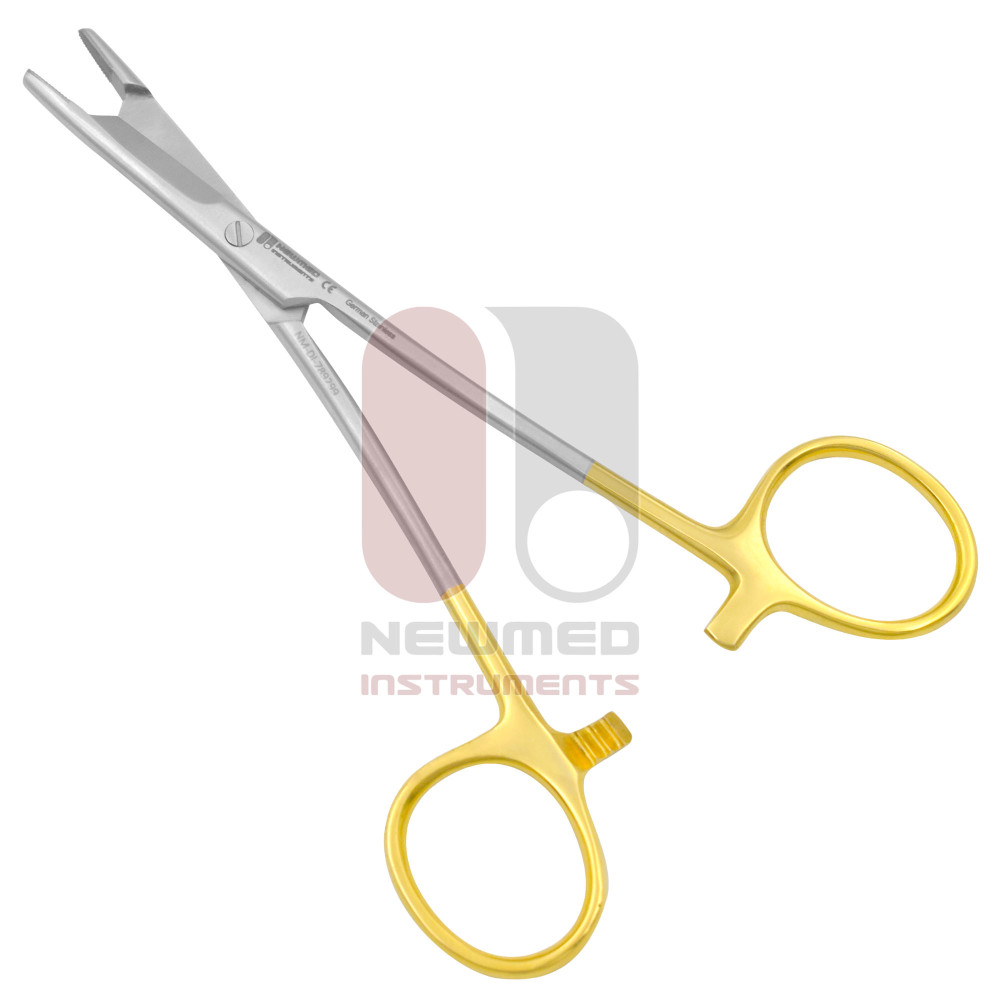
Achieving precise tissue approximation requires instruments crafted to exacting standards. Surgeons, medical students, and healthcare professionals rely heavily on the quality of their tools to ensure flawless surgical outcomes. Among the most critical instruments in the operating room are needle driver scissors, which combine the gripping power necessary for suturing with the cutting capability needed for efficient thread management. Understanding the nuances of these combined instruments helps clinical teams optimize their workflows and improve patient safety during complex procedures.
The integration of driving and cutting functions into a single instrument reduces the need to constantly switch tools during delicate suturing phases. This efficiency directly impacts operative times and minimizes potential distractions for the primary surgeon. When you choose instruments designed with meticulous attention to detail, you elevate the standard of care provided in your facility. We will explore the critical features, clinical benefits, and operational advantages of integrating high-quality suturing tools into your surgical trays.
Understanding the Mechanics of Surgical Suturing
Suturing remains a foundational skill across all surgical disciplines, demanding both steady hands and reliable equipment. The mechanical advantage provided by a properly calibrated tool allows the surgeon to pass needles through dense tissues without bending or breaking them. Every millimeter of tissue handling matters, and the structural integrity of your instrument dictates the level of control you can maintain.
The jaws of a high-quality needle driver must feature precise serrations or tungsten carbide inserts to prevent the needle from slipping or rotating during insertion. Slippage not only damages adjacent healthy tissue but also increases the risk of needle-stick injuries for the surgical team. An instrument engineered for stability ensures that the needle follows the exact trajectory intended by the surgeon, reducing trauma to the wound edges and promoting faster, cleaner healing for the patient.
The Intersection of Cutting and Driving
Combining a needle holder with surgical scissor blades creates a multifunctional tool known as needle driver scissors. This specific design allows the surgeon to drive the needle through the tissue, pull the suture through, tie the knot, and immediately cut the excess thread without exchanging instruments with the scrub nurse. This seamless transition between actions is particularly beneficial in fast-paced environments where every second counts.
Operating with needle driver scissors requires a nuanced technique, as the user must confidently grip the needle without accidentally engaging the cutting blades. Manufacturers design the cutting edges to sit just behind the gripping jaws, ensuring safety and precision. High-quality craftsmanship ensures that the blades remain sharp through repeated sterilization cycles, providing clean cuts that prevent suture fraying. Frayed sutures can compromise knot security, making the sharpness of the integrated scissors just as critical as the grip of the jaws.
Achieving Flawless Tissue Approximation
Proper wound closure relies on the precise alignment of tissue layers, minimizing tension and preventing ischemia. The design of your chosen needle driver directly influences your ability to achieve this delicate balance. Instruments that feel cumbersome or fail to provide adequate tactile feedback force the surgeon to rely on visual cues alone, which can be obscured by blood or deep anatomical cavities.
A well-balanced instrument acts as a natural extension of the surgeon's hand, transmitting the subtle resistance of different tissue densities directly to the fingertips. This sensory feedback allows for micro-adjustments in pressure and angle, ensuring that each suture is placed with absolute accuracy. When healthcare professionals utilize tools that offer this level of refined feedback, they consistently deliver superior cosmetic and functional results for their patients.
Ergonomics and Clinical Performance in the Operating Room
Surgical fatigue represents a significant challenge during lengthy procedures, often manifesting as decreased grip strength and reduced fine motor control. The ergonomic profile of a needle driver plays a crucial role in mitigating these physical strains. Ring handles must be appropriately sized and contoured to prevent pressure points on the surgeon's fingers, while the ratcheting mechanism must engage and disengage smoothly without requiring excessive force.
Poorly designed instruments demand conscious effort to manipulate, distracting the surgeon from the primary clinical objective. Conversely, ergonomically optimized tools operate with a fluid motion that conserves the user's energy over hours of continuous suturing. Healthcare facilities that prioritize ergonomic instrument selection actively support the longevity and daily performance of their surgical staff.
Selecting the Right Instrument for Your Practice
Choosing the appropriate needle driver scissors depends heavily on the specific surgical application and the characteristics of the needles being used. Delicate cardiovascular or ophthalmic procedures necessitate fine, streamlined jaws that can maneuver in tight spaces without obscuring the visual field. Heavy orthopedic or fascial closures require robust, thick-jawed instruments capable of driving large needles through tough, fibrous tissues without structural failure.
Matching the instrument to the task prevents premature wear and ensures consistent performance. Using a delicate needle driver on a heavy needle can spring the jaws, permanently compromising its gripping ability. Clinical educators and experienced surgeons consistently emphasize the importance of instrument pairing to medical students, instilling a deep respect for the tools of the trade and the role they play in patient safety.
Why Surgeons Trust New Med Instruments
New Med Instruments seeks to provide quality surgical instruments and superior service to surgeons, students, and healthcare professionals all over the world. We understand that clinical professionals value perfect and precise results for their patients, which is why our manufacturing processes adhere to the strictest quality control standards. Every instrument we produce undergoes rigorous testing to ensure it meets the demanding expectations of the modern operating theater.
The New Med Instruments needle driver advantage lies in our commitment to using premium-grade stainless steel and advanced engineering techniques. Our needle driver scissors offer unmatched durability, retaining their sharp cutting edges and secure gripping jaws even after years of intensive use and autoclaving. By equipping your surgical team with our superior tools, you invest in reliability, precision, and the overarching goal of delivering exceptional patient care.
Conclusion
Mastering tissue closure requires more than just technical skill; it requires instruments that perform flawlessly under pressure. Needle driver scissors represent a vital component of the surgical toolkit, offering unmatched efficiency and control during complex suturing tasks. By understanding the mechanical and ergonomic requirements of these tools, healthcare professionals can make informed decisions that enhance their clinical workflows.
Upgrading your surgical trays with premium instruments directly correlates to improved surgical outcomes and reduced operative fatigue. We encourage surgical teams and procurement specialists to evaluate their current inventory and consider the long-term benefits of investing in high-quality suturing tools. Explore the comprehensive catalog at New Med Instruments to discover how our precision-engineered instruments can elevate your clinical practice and support your commitment to surgical excellence.